What 100+ Pricing Pages Told Me About AI Pricing in 2026



Per-seat pricing is dead. Legacy SaaS is dead. Everyone’s moving to outcomes, and if you’re not, you’re behind. That’s the story LinkedIn has been telling for a year now.
I wanted to know if any of it held up, so instead of reading one more hot take, I reviewed 107 pricing pages across 30-plus software verticals. Real pages, real terms, real fine print. Hard data instead of whatever’s trending that week.
What I found is that the market is nowhere near as settled as the headlines suggest, and the model winning isn’t the one everyone’s talking about.
How we got here
Every era of software pricing charged for a different kind of value, and the arc is worth tracing because it explains the pressure the seat model is under now.
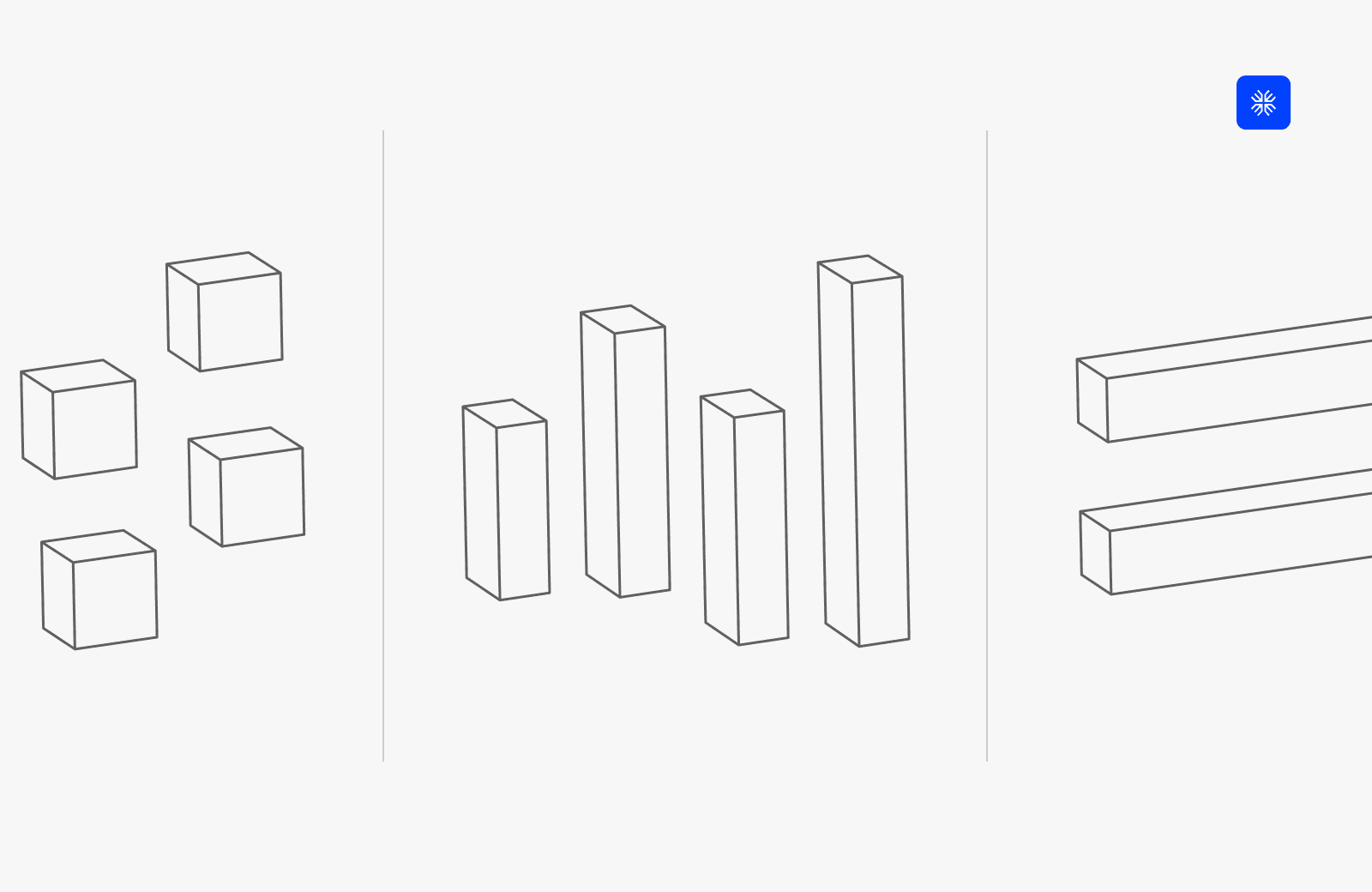
Perpetual licenses charged for ownership. You bought the software outright, and having it was the value. Per seat charged for human effort. Someone sat at a computer and did work, so the login mapped cleanly onto a person creating value, and a person equaled value. Usage and consumption charged for activity. Rate times volume: you ran something and paid for what you ran. And the AI era charges for results, or for some deliberate blend of floor and usage.
Different mechanics, same underlying move. Price has always chased whatever was actually creating the value.
Why the seat model is under pressure
A seat priced human effort, and software sold by the login because the login stood in for a person doing work. Put an agent in that seat, and the substitution falls apart. If a single agent does the work of ten people, fewer seats now signal more value rather than less, and charging per login starts measuring the wrong thing entirely.
All of that is sound reasoning, and the pricing pages tell a different story anyway. The market didn’t abandon seats; it rebuilt around them, stacking new mechanics on top of the old floor. Six of them, to be exact.
Six ways AI is being priced right now
Six ways to charge fell out of the 107 pages, and most products blend two or three rather than picking one. Read them as points on a spectrum, from a flat seat fee at one end to pure pay-for-results at the other.
- Pure outcome. You pay when a defined result lands. A ticket resolved, a meeting booked, a dollar collected.
- Hybrid. A platform or seat floor, with usage or outcomes stacked on top.
- Usage meter. Rate times volume. Minutes, tokens, sessions, the raw unit.
- Credit and consumption. Buy a pool of credits and burn it down.
- Per unit of work. Per task, per invoice, per case, per interview. A company-defined work unit that shifts with whatever the product actually does.
- Per seat. The classic is still very much alive, especially for AI-native products that want a plan a buyer can understand in one glance.
What’s actually leading?
No single category tops 28% of the market, and that number alone tells you the industry is mid-experiment with nothing close to a consensus.
And the model out front is the one nobody’s hyping. It’s hybrid, the pragmatic middle that rarely makes the pitch deck.
A wave of AI-native companies launched on simple subscriptions layered over what were really token-heavy products, then looked at their margins by revenue stream and found they were giving value away, or losing money outright on their heaviest users. So they moved to a floor plus usage, keeping enough subscription to absorb the shock and enough usage to capture the upside.
Pure outcome is real but small. About one in eight vendors offer the genuine article. It’s climbed from a rounding error to a real minority, and it is still nowhere near the default, whatever you read.
Seats didn’t die. They became the floor.
A platform or seat fee isn’t only a category of its own; it’s a component that lives inside the others. Count every vendor that holds on to one underneath whatever else they charge for, and you get 39%. The products marketed hardest as autonomous agents, the Harveys and Gongs and Fathoms of the world, still carry a per-user-per-month floor with usage or outcomes bolted on top.
Founders have wrestled with this since well before AI. Pure usage unnerves people because it swings so hard, and the pandemic drove the lesson home: usage with no floor can fall to zero fast. A subscription base steadies the ship, which is why the instinct to keep one is both old and sound. AI didn’t kill the seat. It reassigned it to the base layer.
Who actually bears the risk?
Outcome pricing gets interesting the moment you read past the pricing page into the terms. A vendor declares the outcome achieved and sends the bill. What happens when it wasn’t, or when you flatly disagree? Across these pages the answer splits three ways.
- 45%: the buyer pays regardless. What you think happened is beside the point.
- 34%: shared risk. The software did something, and you’re charged for it whether or not you’d call it a win.
- 12%: the vendor absorbs it. No outcome, or a disputed one, means no charge.
Only 12%. Even where “outcome-based” sits right there on the label, a vendor genuinely eating the risk is the exception.
What outcome pricing looks like when it’s done right
The strong examples share a handful of traits, and knowing them lets you spot the real thing under the marketing. Aloware publishes its actual pricing formula, and every outcome arrives with a timestamp, a transcript, and a 30-day dispute window. Lorikeet hands the buyer a veto: if you’re unhappy with how a ticket was resolved, you don’t pay for it. Agentic collections tools charge a percentage of what they actually recover, so a failed collection means no bill. Intercom’s Fin put out clean per-resolution pricing you can read without a lawyer.
Four things separate the real from the marketed:
- Failed outcomes billed at zero.
- A dispute window with a credit back.
- A buyer veto on the determination.
- A reopen window, so a customer who returns three days later with the same problem doesn’t trigger a second charge.
The case against outcomes
The case against pure outcome pricing deserves more airtime than it gets, because the people making it are sharp.
- Ada CX argues the model punishes success: let outcomes keep climbing and you pay well past what any enterprise license would cost.
- Decagon offers outcome pricing but admits most customers pick per-conversation anyway, to sidestep unpredictable invoices and the renegotiations that follow.
- Bland AI ran the arithmetic and found outcome pricing often costs more per successful interaction than its own per-minute rate.
None of this makes outcomes bad, but it does mean outcome pricing has to be built with real care, or the buyer comes out ahead on a plain usage rate.
The part finance always has to solve
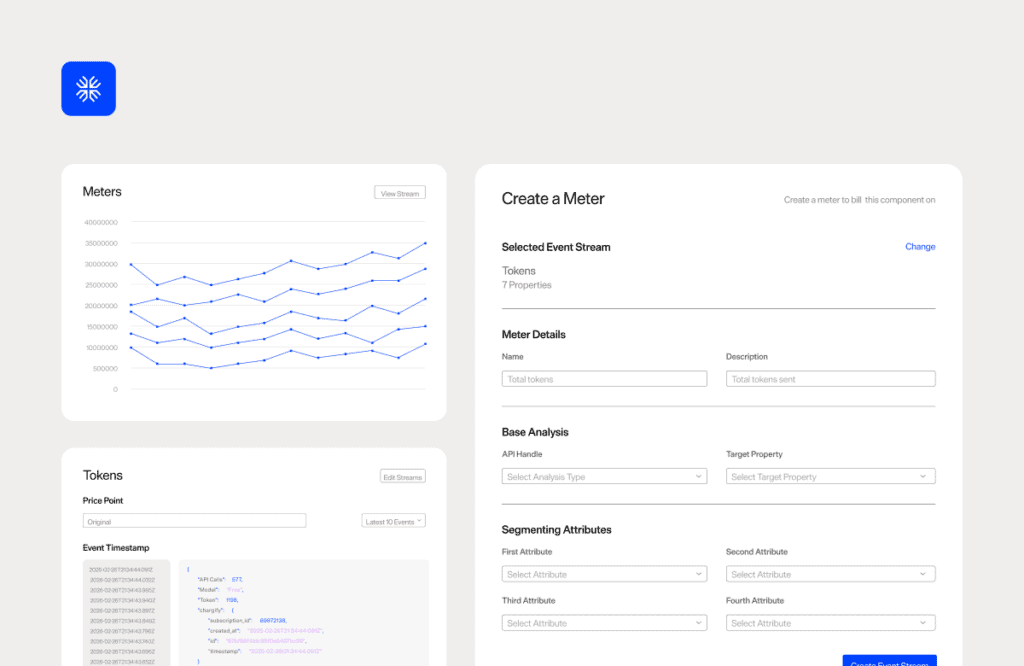
Every new pricing model hides a billing problem behind it. Sales promises the customer they’ll be billed per meeting booked. Finance then has to produce that invoice, tied to the right events, carrying the right data, in a form that holds up under audit.
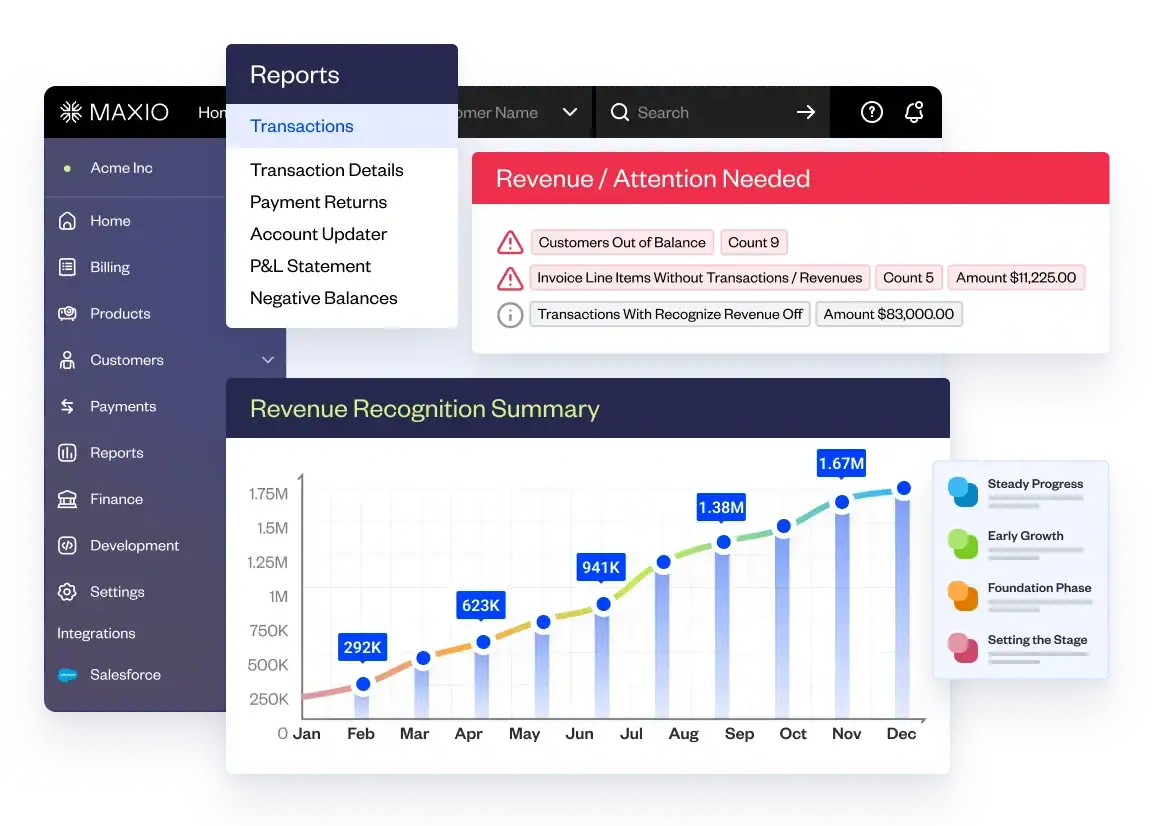
When the bill lands looking like generic volume charges with no visible line back to the outcome that was sold, you get a mess and a customer who feels burned. The fancier the model, the more the CFO and controller have to build underneath it, and the pricing conversation almost always outruns the systems meant to support it.
Where the market is heading
The pricing pages are one lens, and the survey data points the same way. Iconiq’s 2026 Go-to-Market report asks companies to name their single primary model instead of counting mechanics across a page, and 48% land on hybrid. Its State of AI snapshot finds 37% planning to change their pricing inside the next year. Pricing was always a never-ending process, and AI has only pushed the clock faster.
So we haven’t converged, and we won’t for a while. The safe structural bet today is a well-designed hybrid: a floor that buys predictability, with room above it to capture value.
Where you sit changes what to do with that:
- If you’re a CFO, don’t take “outcome-based” at face value. Read the terms and definitions before you sign.
- If you’re building pricing, treat the six models as a spectrum and match the mechanic to your value metric.
- If you’re selling against outcomes, the answer isn’t that outcomes are bad. It’s that you need clean definitions, real measurement periods, and buyer protections so nobody ends up fighting over the invoice later.
Strip away the six models and the fine print, and one rule survives all of it. Price for the value, not for the login.
I put together a full research report on the 107 pricing pages, along with a vendor pricing scorecard and a framework checklist. If you’re a tech or SaaS CFO, I also run a private community of 600-plus finance leaders where a lot of these pricing and audit questions get worked out peer-to-peer. You can find both at thesaascfo.com.