The New Working Capital Equation in SaaS




Until recently, SaaS businesses were working-capital machines, especially those that billed annually in advance. A year’s worth of cash upfront combined with 80% gross margins and expenses that were paid monthly created a business model rivaled only by prepaid funerals in generating positive cash flow.
That model is dying as AI functionality compels the adoption of usage-based pricing (UBP). As I wrote in a prior post on the cash flow impact of usage-based pricing, UBP generates less than a third of the billings of an annual-in-advance subscription in the first few years after launch. That’s a huge difference that requires VC funding or cash diverted from sales, marketing, or development.
What to do?
There has been no shortage of pricing experimentation. In recent work on SaaS pricing, Ben Murray found that no single pricing approach is used by more than 28% of the market. That said, well over 70% of pricing models now include some form of variable metric: outcome, unit of work, usage, etc. Whatever you call it, it’s something you need to count and then bill.
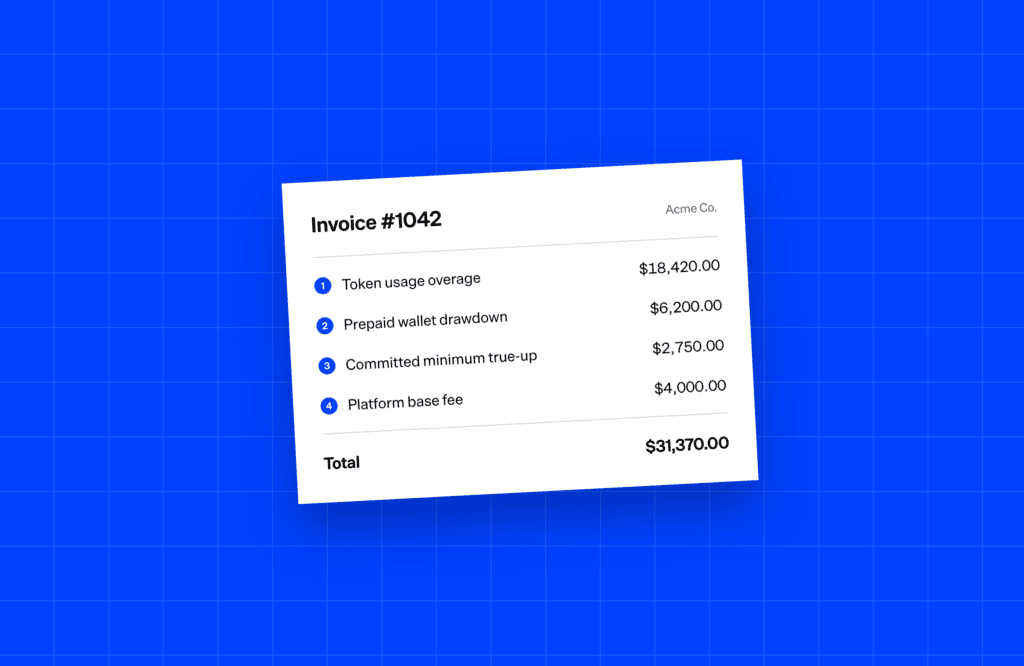
The default, understandably, is to count the metric and then bill for it. This leads to monthly billing in arrears, which creates the working-capital cash drain mentioned above.
The solution to the cash drain is prepaid credits. Sell them in advance, collect the cash, and let the customer consume them over time. Prepaid credits can roll over, expire, be capped, be tiered, etc. Because they are prepaid, they solve the cash flow issue. You can then tailor the rest of the structure to create predictability for your customer. The lack of predictability is the main customer complaint about usage-based pricing.
Three things to be aware of with this model
- Don’t “oversell” credits up front. This can happen if your commission plan is still weighted toward the initial booking. In a seat-based model, overselling only had consequences at renewal, but overselling prepaid credits will be noticed right away, and your new customer will not be happy.
- Be laser-focused on the initial ramp. Getting your customer to use the product is the only way to earn revenue and sell more units down the road. It’s as important as the initial sale.
- Have systems in place to support the model. If “How many credits do I have left?” requires a person and a spreadsheet to answer, you are in trouble from the start. Conversely, if you can provide customers with real-time visibility into their balances, it will improve predictability and reduce friction in buying.
Also, don’t heavily discount prepaid credits or hammer customers on overages. Focus on customer engagement and expanding use cases, and the volume will flow. UBP models scale when customers are asking for more credits, not when they are on sale or when salespeople are pushing them.
Prepaid credits fix the cash problem only if you can track them. Maxio Wallets gives you and your customers a live view of every balance, so you can answer “How many credits do I have left?” without any manual work.